Understanding the ACWR Framework
The ACWR concept, developed by Tim Gabbett and colleagues, compares recent training load (typically the past 7 days — the "acute" load) against longer-term load (typically the past 28 days — the "chronic" load). The ratio between these values provides insight into whether an athlete is in a state of fitness development, maintenance, or elevated stress.
Research suggests that maintaining an ACWR between 0.8 and 1.3 represents an optimal zone for adaptation. Ratios above 1.5 indicate load "spikes" that may correlate with reduced readiness and performance drop-off.
However, the ACWR is not a universal constant. It varies by sport, position, and individual athlete characteristics. What represents a sustainable ratio for an experienced midfielder may be excessive for a young striker returning from time off.
From Generic Thresholds to Individual Profiles
Early ACWR research focused on population-level averages. But elite performance operations have moved beyond this — recognizing that load tolerance is highly individual.
While generic ratios offer a starting point, leading clubs now use longitudinal data to map each player's unique Load Tolerance Profile. This shift from one-size-fits-all to precision monitoring is what separates data-driven performance operations from traditional approaches.
A player who has consistently trained at higher loads throughout their career will have a different tolerance curve than a teammate with a different training history. Recognizing and quantifying these differences is essential for informed load management.
The Limitation of Workload Ratios Alone
Here's the challenge with standalone ACWR monitoring: it tells you how much load an athlete has experienced, but not how they're handling it.
An ACWR of 1.2 combined with deteriorating movement mechanics tells a very different story than the same ratio with stable biomechanics. The volume is identical — but the athlete's response is not.
This is where integrating workload data with biomechanical analysis becomes essential.
Practical Implementation: PlayerGuard's Integrated Approach
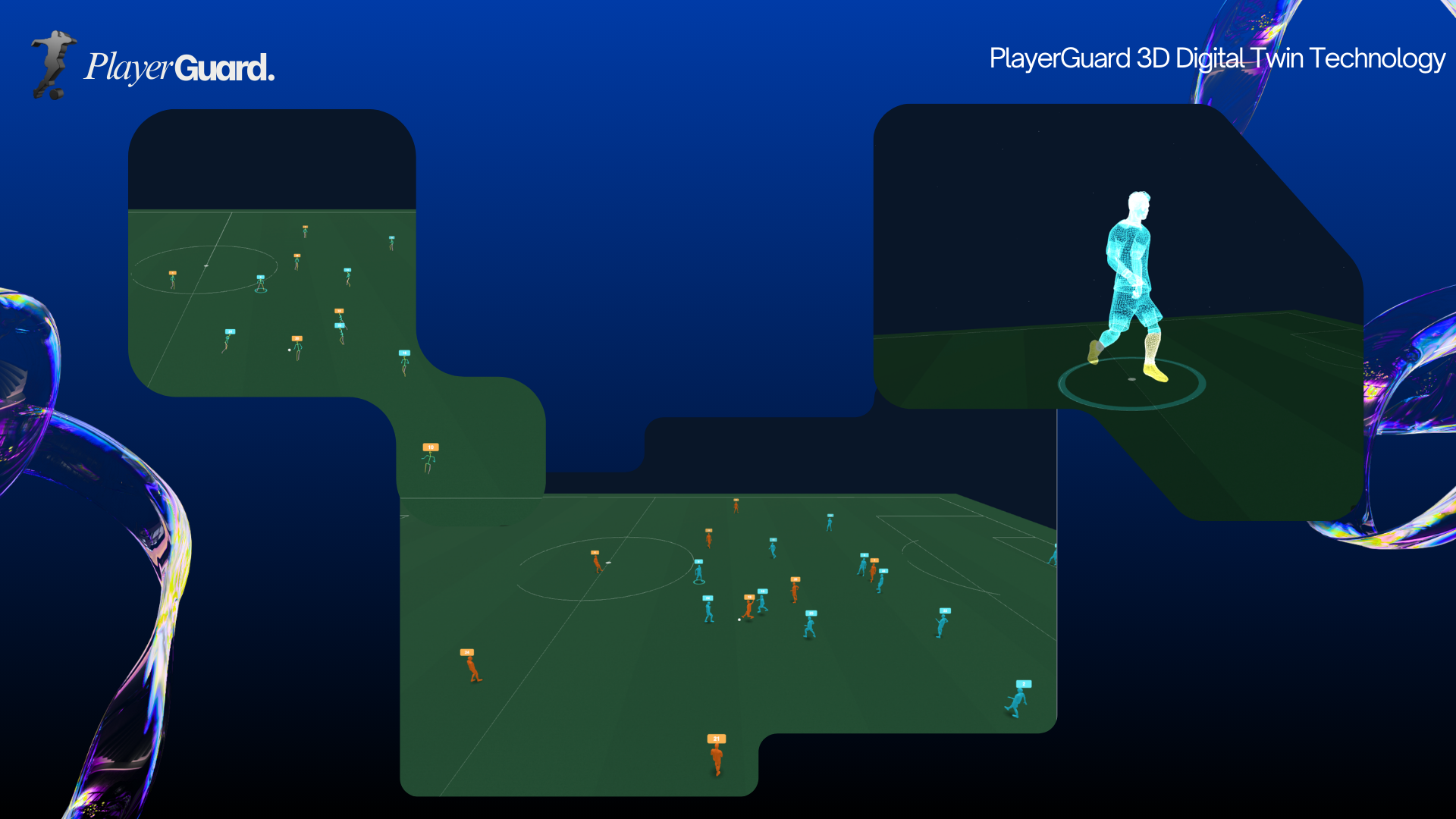
At PlayerGuard, we combine ACWR monitoring with 3D biomechanical analysis for a more complete readiness picture.
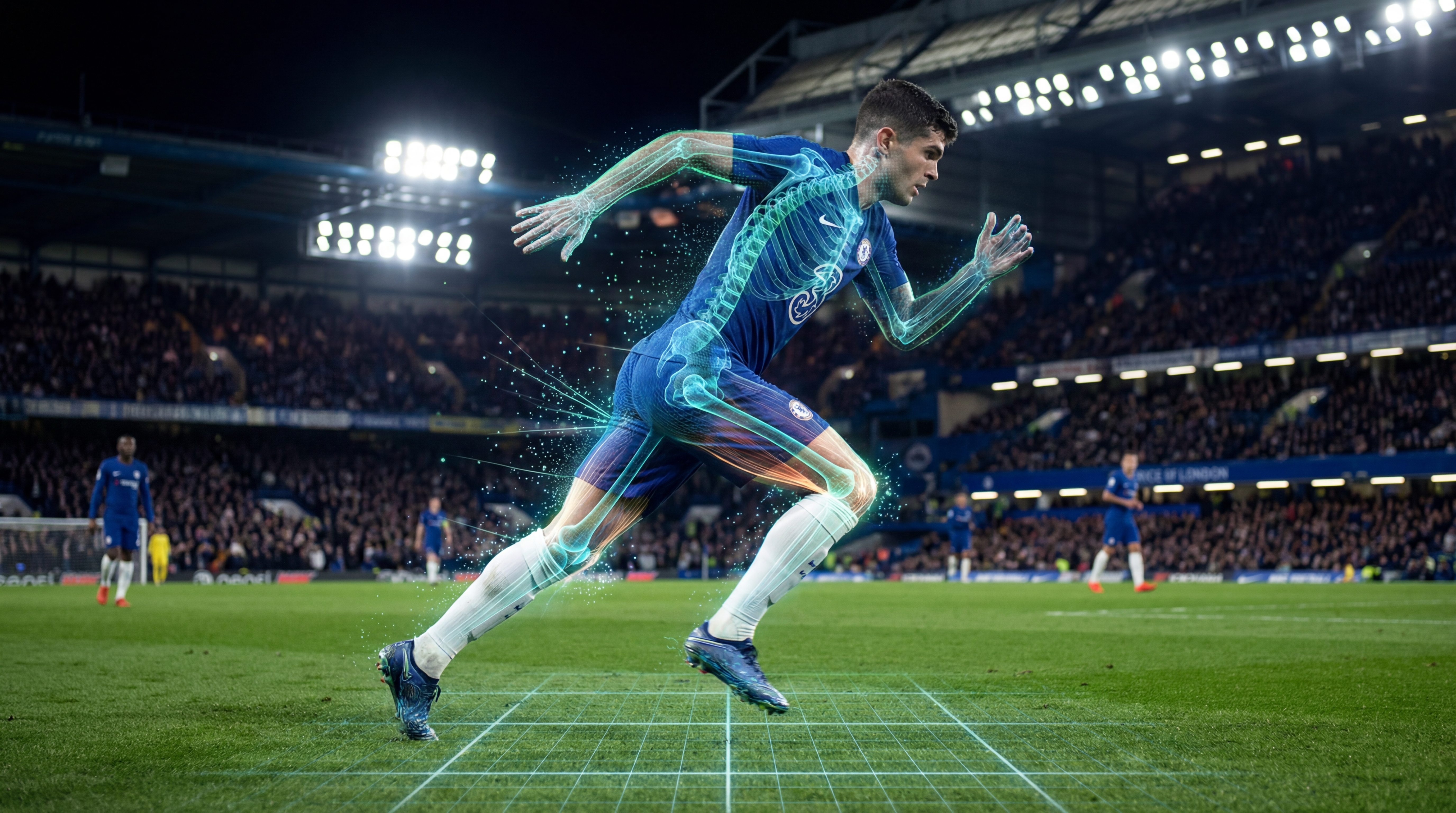
How it works: GPS/tracking load data is automatically ingested and processed to calculate acute and chronic workloads. 3D skeletal tracking captures movement quality metrics — deceleration patterns, vertical load, asymmetry. AI-powered synthesis compares current load ratios AND movement efficiency against individual baselines. Readiness Score output reflects both load status and biomechanical response.
This integrated approach addresses the key limitation of workload ratios alone: context.
Platform capabilities include real-time integration with GPS and tracking data streams, individual load tolerance threshold mapping, position-specific baseline comparisons, combined workload + biomechanical readiness diagnostics, and a natural language AI interface for querying load status.
Considerations and Context
ACWR should not be viewed as a standalone decision-making tool. It is one input among many that inform performance staff decisions.
Factors like sleep quality, travel schedules, match density, and psychological readiness all influence player availability but aren't captured by load ratios alone. The most effective performance operations use ACWR as part of a broader intelligence framework — not as an isolated metric.
PlayerGuard is designed to fit within this ecosystem, providing objective biomechanical context that complements subjective staff observations and other monitoring tools.
Conclusion
The ACWR remains a valuable framework for load monitoring, but it requires thoughtful application. Generic thresholds should be treated as starting points rather than universal rules. The integration of workload monitoring with biomechanical intelligence — as implemented in PlayerGuard's platform — offers a more complete framework for evidence-based load management. By understanding not just how much load an athlete has experienced, but how they're responding to it, performance staff can make better-informed decisions about training, rotation, and match readiness.
References
- Gabbett TJ. (2016). The training—injury prevention paradox: should athletes be training smarter and harder?. British Journal of Sports Medicine.
- Bourdon PC, et al. (2017). Monitoring athlete training loads: consensus statement. International Journal of Sports Physiology and Performance.
- Windt J, Gabbett TJ. (2017). How do training and competition workloads relate to injury? The workload—injury aetiology model. British Journal of Sports Medicine.