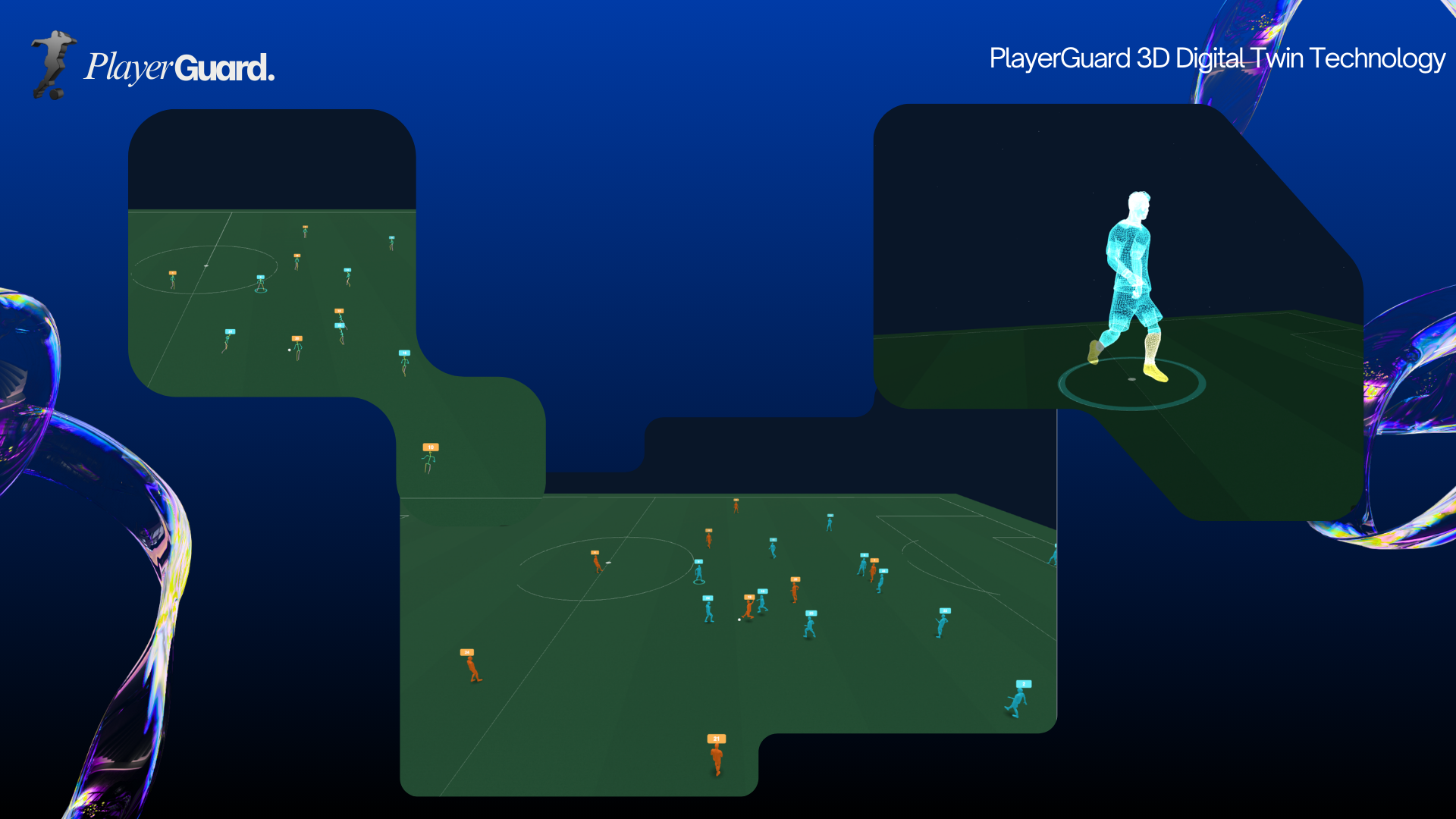

The Scope of Performance Data
Modern elite organizations collect extensive streams of performance information:
• GPS and positional tracking — Location, distance, speed, acceleration
• 3D motion capture — Skeletal movement patterns, joint angles, vertical load
• Load metrics — Workload ratios, training intensity, match demands
• Readiness assessments — Fatigue indicators, movement efficiency scores
Under GDPR, much of this data qualifies as personal data requiring appropriate handling. Some elements — particularly detailed movement patterns that could identify individuals — may require additional safeguards.
Organizations that prioritize responsible data practices earn the trust of athletes, agents, and player associations. By ensuring that performance data is used exclusively for its stated purpose — optimizing training, load management, and squad readiness — clubs build long-term confidence with their most valuable stakeholders.
Key GDPR Requirements for Sports Technology
Lawful Basis for Processing: Most sports performance data processing relies on either explicit consent or legitimate interests. Consent must be freely given (not a condition of employment), specific (not blanket authorization), informed, and revocable. Generic clauses buried in player contracts are insufficient under GDPR.
Data Minimization: Only necessary data should be collected and retained. If a tracking system captures 100 data points per frame but only 20 are used for analysis, retaining the unused 80 indefinitely may violate minimization principles.
Purpose Limitation: Data collected for performance optimization cannot be repurposed — for example, for contract negotiations, media content, or third-party commercial use — without additional, specific consent.
Data Subject Rights: Athletes have rights under GDPR including access (request copies), rectification (correct inaccuracies), erasure ('right to be forgotten'), and portability. Sports organizations must have processes to respond to these requests within 30 days.
Data Sovereignty and EU-Native Processing
Following the Schrems II ruling, international data transfers face increased scrutiny. The simplest path to compliance certainty is using EU-native solutions — platforms that process and store all athlete data within European borders. This approach eliminates complexity around international transfer mechanisms, ensures data remains under EU legal protection, simplifies compliance documentation, and provides clear answers for athlete inquiries.
PlayerGuard's Approach to Data Sovereignty
PlayerGuard is built as an EU-native platform from the ground up:
• German data centers — All movement data and analytics processed within Germany
• No international transfers — Data never leaves EU jurisdiction
• GDPR-aligned architecture — Privacy by design, not retrofitted compliance
• Transparent processing — Clear documentation of what data is used and why
For European clubs, this eliminates the regulatory uncertainty that comes with non-EU vendors and provides straightforward answers for legal departments and player representatives.
Practical Compliance Steps for Clubs
1. Data Mapping: Document what athlete data is collected, where is it stored, who has access, and the legal basis for each processing activity.
2. Vendor Assessment: Every technology provider should demonstrate compliance through documentation, security certifications (ISO 27001, SOC 2), and Data Processing Agreements (DPAs).
3. Consent Review: Evaluate if athletes are clearly informed and if consent is genuinely voluntary.
4. Retention Policies: Establish policies for how long data is retained and the process for deletion.
5. Documentation: Maintain records of all processing activities and legal bases.
- Conduct comprehensive data mapping audits
- Require Data Processing Agreements from all vendors
- Implement clear, specific consent mechanisms
- Establish defined data retention and deletion policies
- Document all processing activities and legal bases
- Verify vendor data residency (EU vs. non-EU)
- Create processes for responding to data subject requests
Conclusion
GDPR compliance in sports technology is not merely a legal checkbox — it reflects a commitment to respecting athlete privacy and building trust with players, agents, and associations. As performance data becomes increasingly comprehensive, the organizations that handle this data responsibly will gain advantages in recruitment, retention, and reputation. For clubs seeking a straightforward compliance path, EU-native solutions offer both technical capability and regulatory clarity.
References
- European Parliament & Council. (2016). General Data Protection Regulation (GDPR). Official Journal of the European Union.
- Court of Justice of the European Union. (2020). Judgment in Case C-311/18 (Schrems II). CJEU InfoCuria.
- Article 29 Working Party. (2018). Guidelines on transparency under Regulation 2016/679. European Commission.